
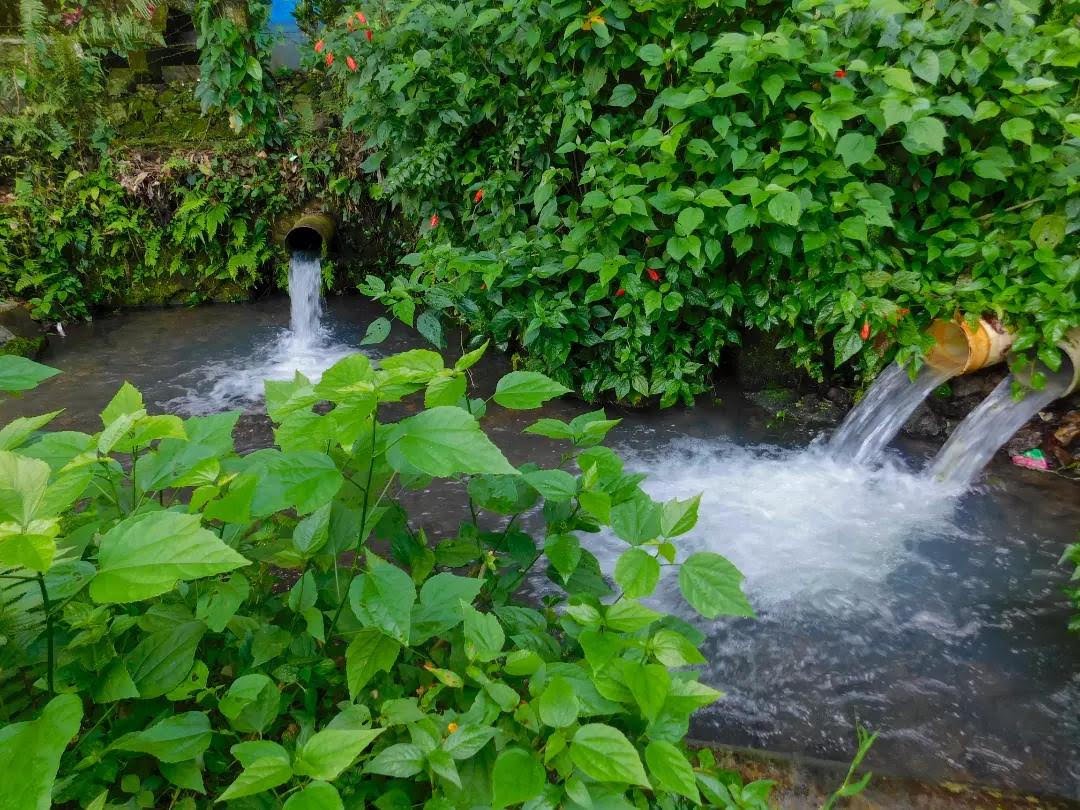
Otak Aik Bone, Lombok: The Natural Spring in Aik-Bukaq Village

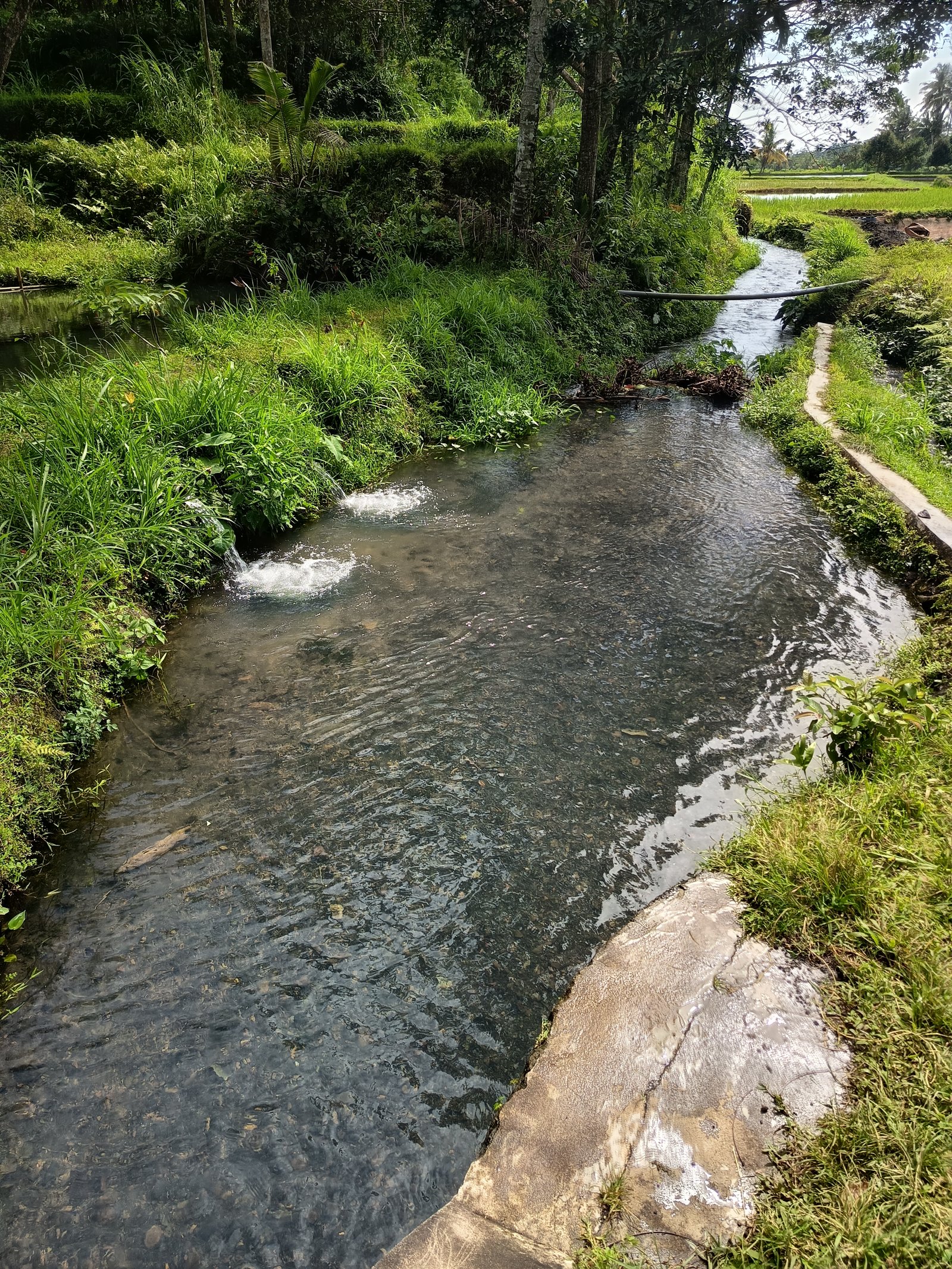
“Let’s heads to Otak Aik!”
That is how we invite someone to visit Otak Aik Bone. To the people outside of our village, the name might sound unfamiliar. But for those of us who grew up in Aik-Bukaq Village, Otak Aik Bone is part of everyday life, a place that holds memories shared across generations.
In the local language, otak aik means water source. The name feels fitting. Water emerges from between the roots of large trees before flowing over rocks and through the river. The surroundings remain lush and green, with towering trees providing shade and a cool atmosphere.
Beyond its natural beauty, Otak Aik Bone plays an important role in the lives of local communities. The spring is one of the water sources for Aik-Bukaq and several villages downstream. The water that flows from here has long been part of everyday life for the people living nearby.
I have my own memories of this place. When I was little, my great-grandparent once took me to the river to look for tiny freshwater shells. At the time, I had no idea that such a simple experience would become a memory I would carry into adulthood.
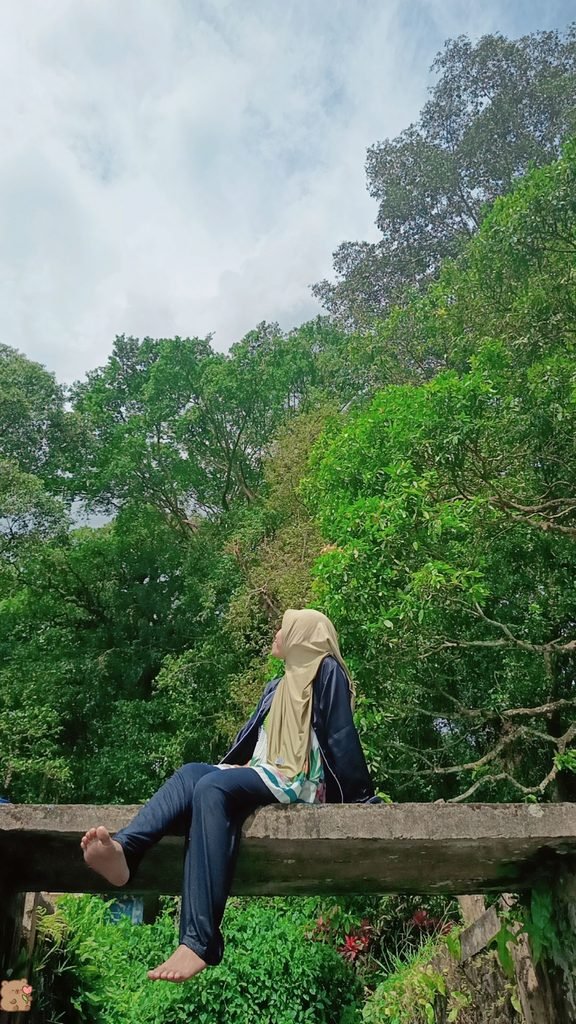
Otak Aik Bone was once a gathering place for various daily activities. People came here to wash clothes, bathe and swim. I still remember a blue building associated with the use of chlorine to help remove stains from clothes. There were also several pools around the spring that were once used for fish farming.
Over time, however, these habits gradually changed. I rarely see people washing clothes there anymore, if they still do at all. Even so, Otak Aik Bone has not become entirely quiet. Children from the surrounding neighbourhoods still come to bathe and play in the river.
In early 2026, I returned with my cousins. During the visit, my youngest cousin told me they had recently built their own little pool by arranging stones to hold back the flowing water.
As soon as we arrived, I jumped straight in. But my excitement did not last long. I soon found myself shouting in pain after realising the pool was too shallow. When I jumped, my body hit the sand and rocks at the bottom.
Despite that little mishap, I still enjoyed spending time in the river with my cousins.
The visit made me realise that a place can remain meaningful even as the way people use it changes. In the past, this spring was part of the community’s daily routine. Today, for children like my cousins, it is also a place to play and make new memories.
I do not know exactly when those old habits began to fade. I can only compare what I remember from the past with what I see whenever I return. The water still flows, the trees continue to shade the river, and children still have their own reasons to come here.
Perhaps that is what makes Otak Aik Bone so meaningful to me. It is more than a source of water for the community; it is also part of a story shared by several generations.
Sometimes, the places that mean the most are not faraway destinations or well-known attractions, but ordinary places that quietly hold the little moments of our lives.
Like this spring: Otak Aik Bone.