
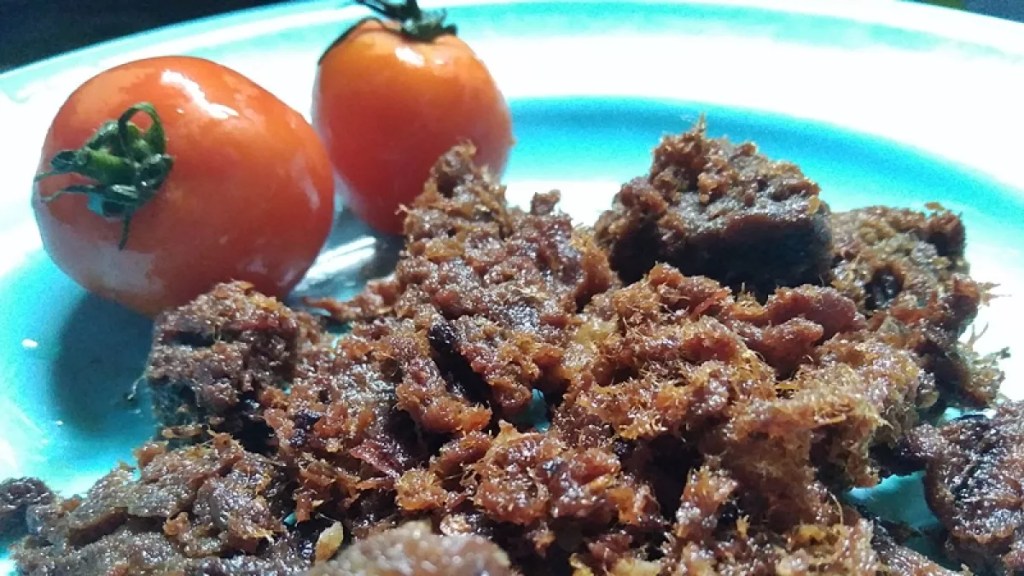
If you’re looking to explore deeper into Lombok food, beyond the spicy plecing and crispy ayam Taliwang, there’s one unique dish that stands out for its bold taste and rich cultural background: Rarit.
Rarit is a traditional Sasak dried meat dish, usually made from beef or goat, seasoned with salt and tamarind (asam), then pounded flat and either fried or grilled. With its blackened appearance and intense flavor, rarit is a sensory experience — salty, slightly sour, and unlike anything you’ve tasted before.
A Taste of History
There is no written history that precisely tracks the origin of rarit, but according to local elders, rarit was commonly used as a food supply for Muslim pilgrims (jamaah haji) from Lombok during the colonial era. Back then, the journey to Mecca by sea could take up to a month. Since there were no refrigerators, people needed food that could last long — and rarit, with its preservation method, was the answer.
Originally, rarit was dried under the sun to extend its shelf life. Although modern versions skip the drying process and use refrigeration instead, the basic ingredients and technique remain faithful to tradition: salt, tamarind, and time.
How Rarit is Made
Making rarit may seem simple, but it involves specific methods to achieve the right flavor and texture.
Ingredients:
- 1.2 kg beef or goat meat
- 75 grams of salt
- 35 grams of ground dried tamarind (asam jawa)
Preparation Steps:
- Do not wash the meat unless necessary. Some locals believe washing ruins the texture — and modern studies do advise against it due to bacteria spread.
- Rub the salt and tamarind thoroughly across all the meat surfaces.
- Let it rest in a sealed container for 2 hours.
- Pound the meat using a stone mortar until flat and slightly shredded.
- Fry or grill the meat to your desired level of doneness.
The result? A chewy, flavorful, and umami-rich meat that pairs perfectly with rice and sambal.
Culinary Evolution
Rarit used to be a humble, practical food — but today, it has found its place in modern restaurants and even fusion dishes. Some chefs pair rarit with Western sides like salad or mashed potatoes, while others stay true to local roots by serving it with sambal goreng Lombok or spicy urap.
You might even find rarit as the highlight of wedding buffets or community feasts, symbolizing both tradition and pride in Lombok food culture.
Nutritional Value of Rarit
Beyond its intense flavor, rarit also brings health benefits. The meat base offers a good source of protein, crucial for muscle repair, bone health, and cell regeneration. A lack of protein can lead to muscle loss, poor growth, or even edema.
As for tamarind, its role is not just for flavor. A study by Shri Ram Institute of Technology-Pharmacy found that tamarind has mild laxative effects that help digestion. This aligns with traditions in parts of Africa, where tamarind is consumed in the morning to ease constipation in children.
So while rarit is delicious, it’s also doing your body a favor — making it both indulgent and smart eating.
Why Rarit Deserves a Spot on Your Lombok Food List
- Made from simple, natural ingredients
- Flexible cooking methods: fry or grill
- Packed with protein and digestion-friendly tamarind
- Long shelf life — perfect for travel or storage
- Deep cultural roots in Sasak tradition
Rarit is not just a dish — it’s a symbol of resilience, heritage, and innovation. It represents how Lombok food continues to evolve while staying grounded in its cultural core.
 lombokdispatch.id