
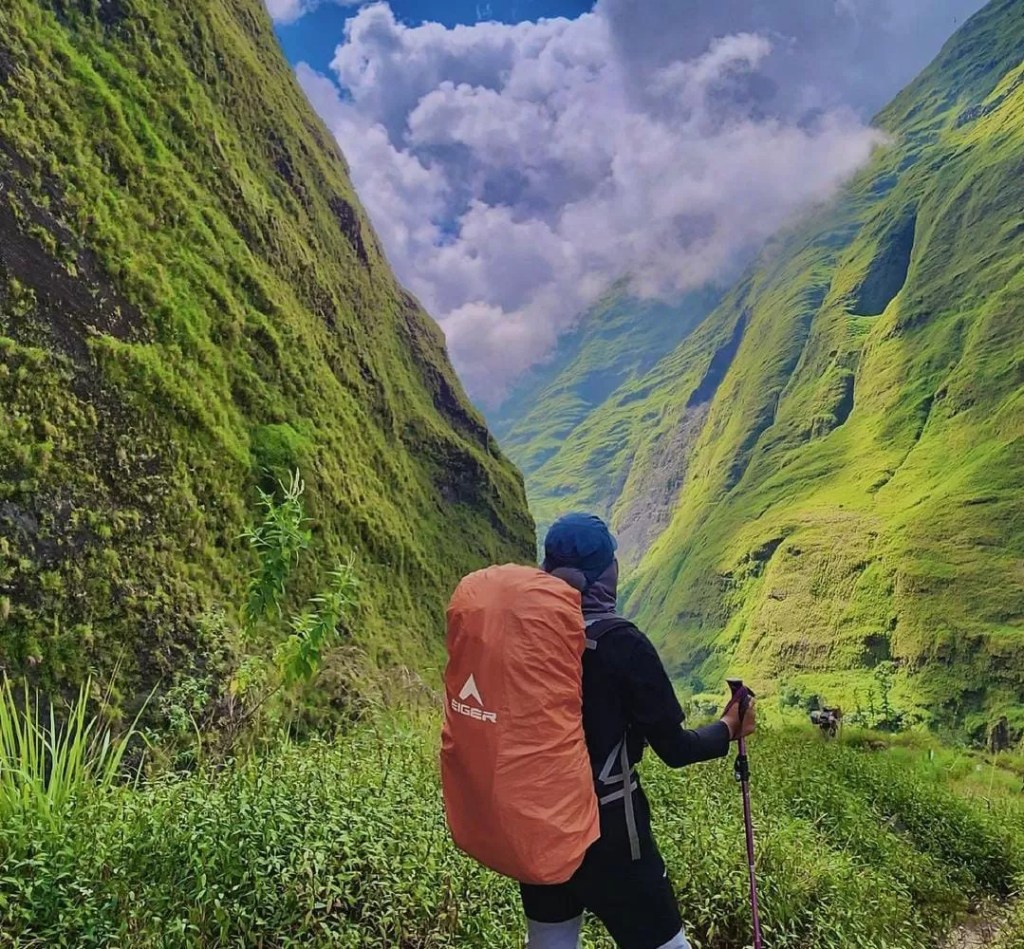
East Lombok is where the island feels widest. It is Lombok’s largest regency, stretching from fertile highlands to a rugged eastern coastline, and it remains one of the least developed parts of the island. The pace is slower here, the landscapes more open, and the connection between land and daily life more visible.
This region is defined by Mount Rinjani’s eastern slopes. The volcano shapes the climate, the agriculture, and the settlements that sit quietly along its foothills. Rainfall is higher, temperatures cooler, and the scenery unfolds in layers of green—rice terraces, forests, and cultivated valleys.
A Landscape of Contrasts
Eastern Lombok’s inland areas are lush and fertile. Hills roll gently into farmland, where rice, coffee, and vegetables grow in rich volcanic soil. Morning mist often settles over valleys, softening the outlines of villages and forest edges.
Along the coast, the landscape changes. Cliffs and quiet beaches face open sea, with white sand, clear blue water, and coral reefs still largely untouched. While the coastline remains less visited than other parts of Lombok, it offers strong potential for snorkeling and island-hopping.
Beyond its own borders, East Lombok serves as a gateway. From here, boats travel to the Eastern Gili Islands—Gili Lampu, Gili Sulat, and Gili Lawang—and onward to Sumbawa, extending the region’s sense of openness and possibility.
Tetebatu: Quiet Paths and Cultural Immersion
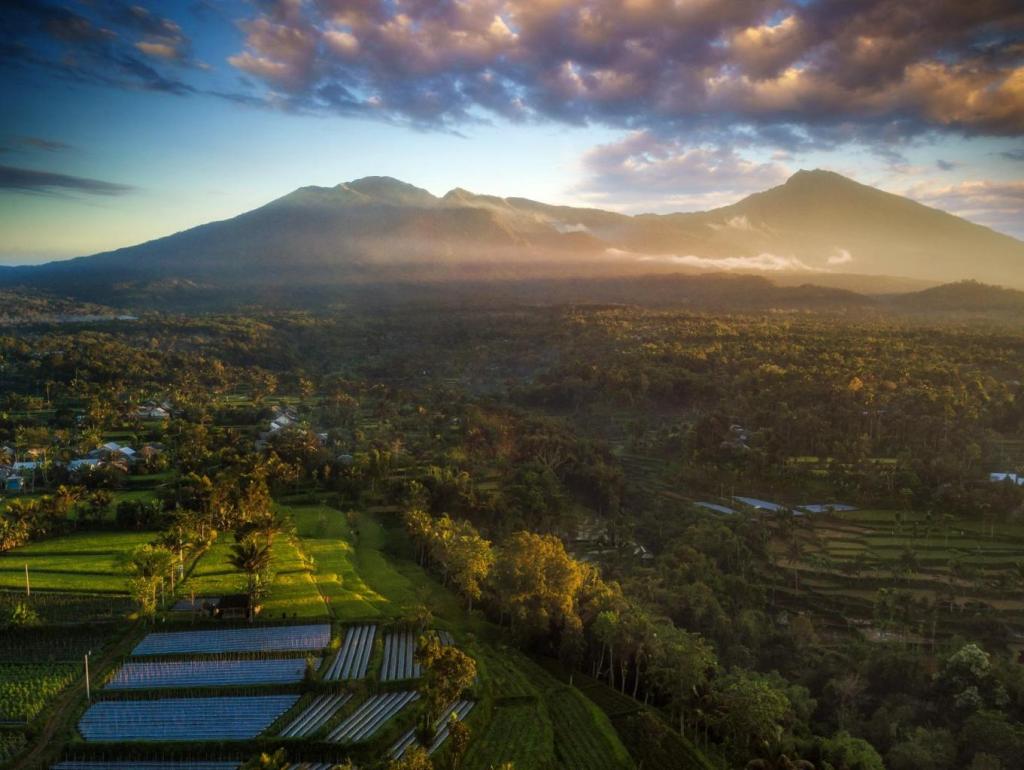
Tetebatu Village sits among rice terraces and jungle on the lower slopes of Mount Rinjani. Often compared to Ubud in Bali, Tetebatu offers a similar setting—but without the crowds. Life moves gently here, shaped by farming schedules and daily rituals rather than tourism demand.
The village is well suited for travelers seeking cultural immersion and nature walks. Paths wind through rice fields, bamboo groves, and forest edges, connecting small hamlets and viewpoints. Local guides often lead walks that reveal hidden waterfalls, farmland, and village life along the way.
Tetebatu also provides access to the southern trailheads of Mount Rinjani, making it a strategic yet peaceful base for trekkers who prefer a quieter start to their journey.
Sembalun: At the Foot of the Volcano
Higher up the mountain, Sembalun Village sits in a wide valley framed by dramatic hills. This is the primary base for hikers attempting the Mount Rinjani summit via the Sembalun route, the most popular and direct path to the top.
Sembalun’s landscape is distinctive. Patchwork fields stretch across the valley floor, planted with vegetables, strawberries, and coffee. The open space, combined with cooler temperatures, creates an atmosphere that feels expansive and calm.
Beyond trekking, Sembalun offers rewarding day hikes and viewpoints. Pergasingan Hill, also known as Bukit Pergasingan, provides sweeping views across the valley and is especially striking at sunrise. Nearby, Bukit Selong offers one of Lombok’s most photographed ricefield panoramas, where patterns of green and gold shift with the seasons.
Mount Rinjani: The Eastern Approach
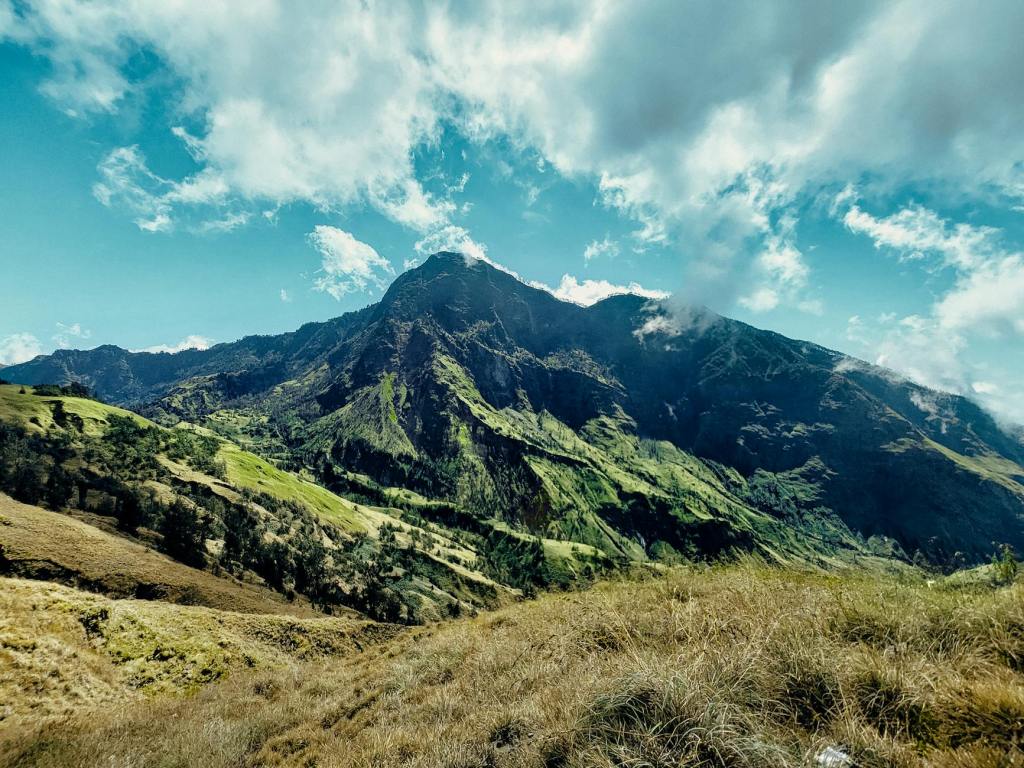
For many, East Lombok’s main draw is Mount Rinjani itself. The Sembalun route to the summit is challenging and typically completed over several days. Trekkers pass through savannah, forest, and volcanic terrain before reaching the crater rim, where views stretch across Lombok and beyond.
Along the route, hikers encounter crater lakes and hot springs, reminders of the volcano’s living presence. While physically demanding, the trek is often described as one of Indonesia’s most rewarding mountain experiences.
Rice Terraces and Open Views
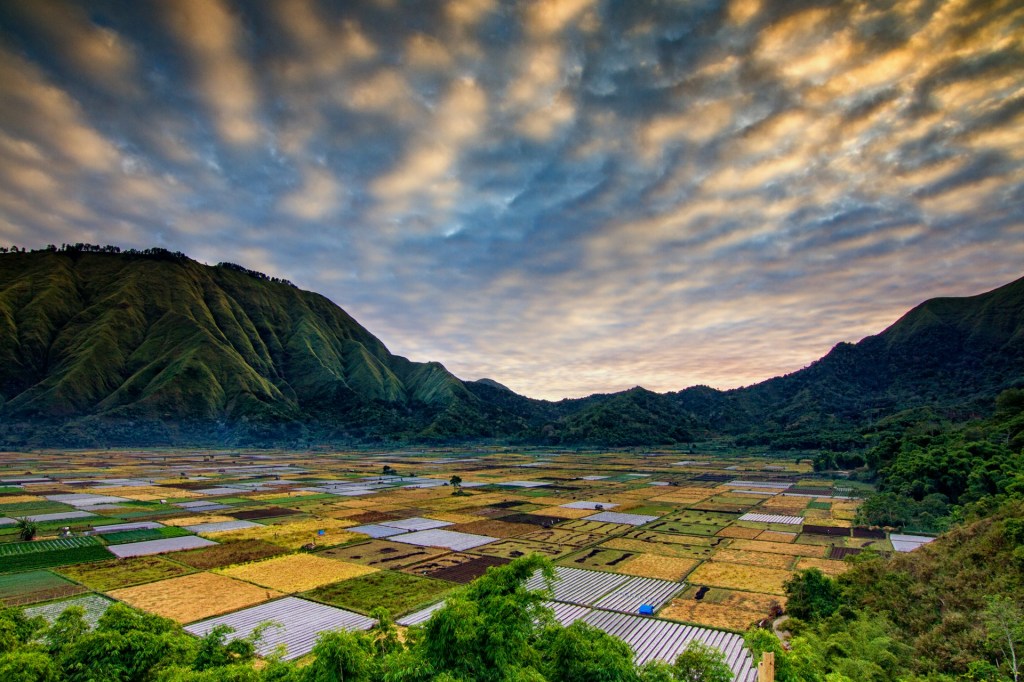
Away from the summit trails, East Lombok’s rice terraces offer a quieter kind of beauty. The fields around Tetebatu are particularly scenic, layered across hillsides and framed by forest. Compared to Bali’s famous terraces, these feel more personal—part of daily life rather than a destination.
Walking through these landscapes reveals how closely agriculture, culture, and environment remain linked. Farmers tend their fields by hand, irrigation channels follow natural contours, and the land dictates the rhythm of the day.
A Region That Feels Untouched
East Lombok does not offer convenience or polish in the way other regions might. What it offers instead is space, authenticity, and a strong sense of place.
For travelers drawn to trekking, traditional villages, and landscapes shaped more by nature than development, East Lombok stands as one of Lombok’s most compelling regions—quiet, expansive, and deeply rooted in the land.
 lombokdispatch.id