
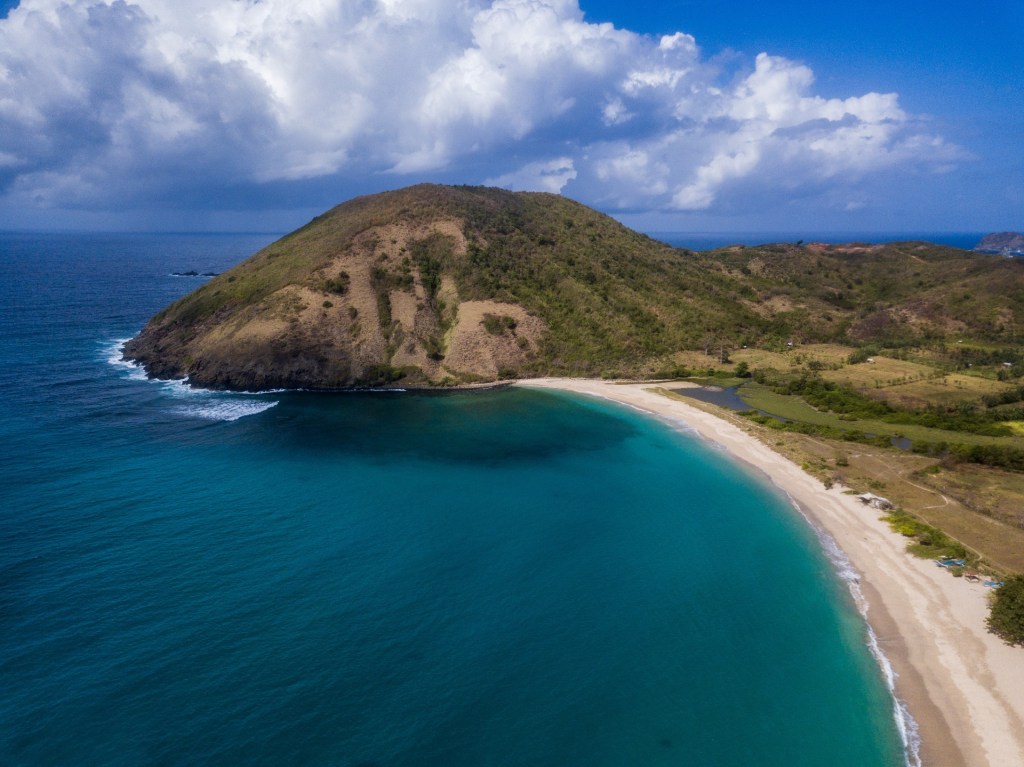
Central Lombok is the island in transition. It is where landscapes, climates, and ways of life gradually change, from cool, rain-fed highlands to dry southern shores shaped by wind and waves. More than any other region in Lombok, Central Lombok reveals how geography influences culture, agriculture, and daily rhythm.
This is not a place defined by a single attraction. Instead, it unfolds slowly, through villages, forests, markets, and long coastal roads that lead to wide, empty beaches.
A Region of Two Climates
Inland Central Lombok sits closer to the island’s mountainous heart. Here, rainfall is higher and temperatures are cooler, allowing dense greenery to thrive. Rice paddies blanket the valleys, while coffee and tobacco plantations stretch across gentle hillsides. Nature reserves and forested areas remain active ecosystems, feeding rivers and waterfalls that flow year-round.
As the land slopes southward, the climate shifts. Rain becomes less frequent, the air warmer, and the landscape opens. The southern coast is defined by white sand bays, exposed headlands, and coconut-lined shorelines. Surf breaks form along the coastline, shaped by the Indian Ocean’s steady energy, creating some of Lombok’s most consistent waves.
This contrast—lush inland and dry coastline—is what gives Central Lombok its depth.
Praya: Inland Life and Local Rhythm
Praya is the administrative and commercial center of Central Lombok. It is not built for tourism, and it makes no attempt to be. Instead, Praya functions as a practical hub—busy, grounded, and connected to the surrounding countryside.
For travelers, Praya serves as a useful base for exploring inland Central Lombok. From here, access to traditional villages, agricultural areas, and natural attractions is straightforward. More importantly, Praya offers a view of everyday Lombok life, where markets, transport hubs, and local routines shape the day.
Markets, Weaving, and Village Traditions
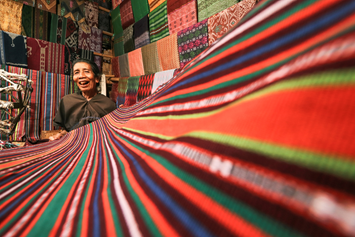
Local markets are central to inland life. The Saturday market in Praya is one of the busiest, filled with fresh produce, spices, household goods, and street food. Smaller markets follow weekly rhythms—Sengkol’s Thursday market or Beleka’s Wednesday market—each serving surrounding villages rather than visitors.
Sukarara Weaving Village provides a deeper look into Lombok’s cultural heritage. The village is known for its handwoven textiles, created using techniques passed down through generations. Women work on traditional looms, producing intricate fabrics that reflect Sasak identity, patience, and craftsmanship. Watching the process offers context beyond the finished cloth—it reveals time, skill, and tradition woven together.
Waterfalls in the Rainforest
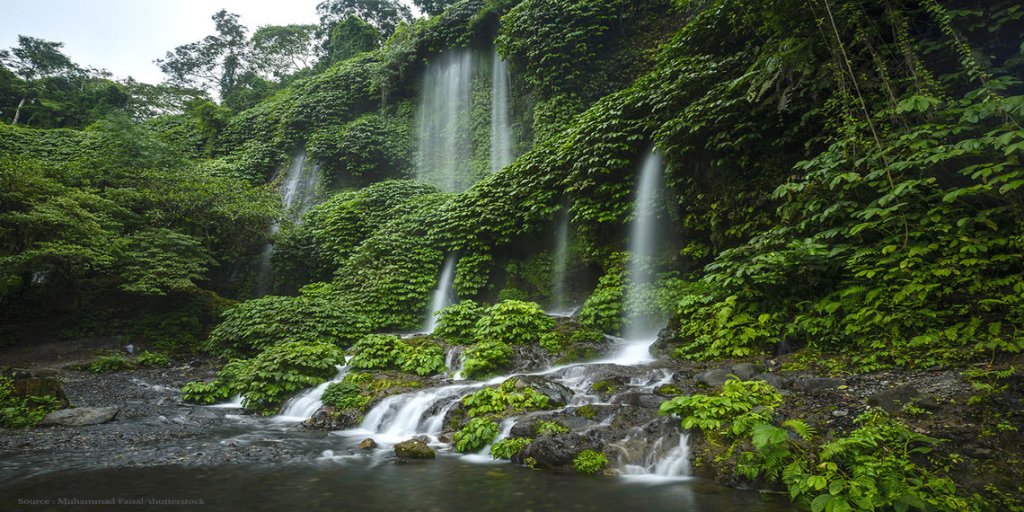
Central Lombok’s higher rainfall supports some of the island’s most impressive waterfalls. Benang Stokel and Benang Kelambu sit close together yet feel entirely different.
Benang Stokel is powerful and direct, with water crashing down into a wide pool. Benang Kelambu, by contrast, flows gently through hanging vines and thick vegetation, creating the illusion of water falling through a green curtain. Reached by forest paths and plantation trails, these waterfalls are often considered among Lombok’s most beautiful—not just for their scale, but for how seamlessly they exist within the landscape.
Kuta Lombok: The South Coast Hub
On the southern coast, Kuta Lombok serves as the region’s main hub. Often compared to Bali’s Kuta, the similarity ends with the name. Kuta Lombok is slower, more open, and shaped by surf culture rather than nightlife.
The town offers a good range of budget to mid-range accommodation, from guesthouses to small hotels, along with restaurants, cafés, and local warungs. Surfboards and scooters are easy to rent, and tours to beaches, hills, and nearby islands can be arranged locally.
Kuta’s central location makes it an ideal base—not only for exploring Central Lombok’s south coast, but also for accessing nearby islands such as Gili Kedis, Gili Nanggu, Gili Sudak, Tangkong, Layar, and Rengit.
Beaches, Surf, and Cultural Stops
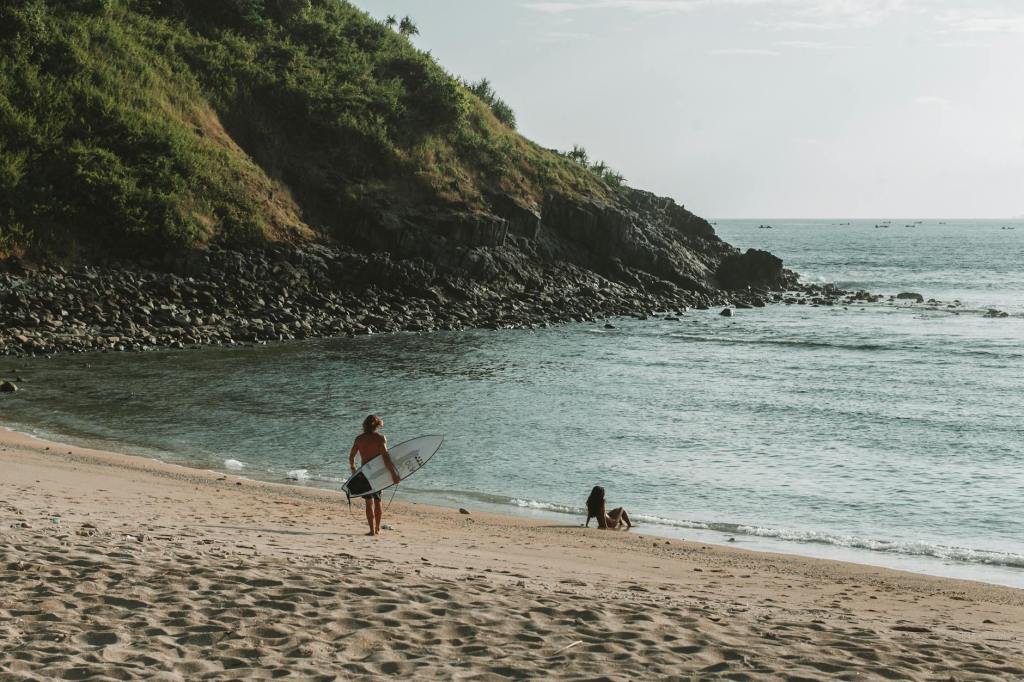
Tanjung Aan Beach is one of the south coast’s most recognizable beaches, known for its soft white sand and clear turquoise water. Framed by low hills, it suits relaxed swimming and long beach days.
Selong Belanak Beach is widely regarded as one of Lombok’s best places to learn how to surf. Its long, gently curving bay produces beginner-friendly waves. Early mornings often reveal a distinctive scene: farmers leading buffalo across the sand, continuing agricultural traditions alongside a growing surf culture.
Nearby, Sade Village offers guided insight into Sasak culture and traditional architecture. While it is a tourist village, it remains an important cultural reference point, connecting the modern coastline back to Lombok’s indigenous roots.
A Region That Connects It All
Central Lombok is not about extremes—it is about balance. Forest and coastline, tradition and movement, daily life and exploration coexist naturally here.
If you are willing to travel between landscapes rather than stay in one place, Central Lombok offers one of the island’s most complete experiences—quiet, layered, and deeply connected to the land.
 lombokdispatch.id