
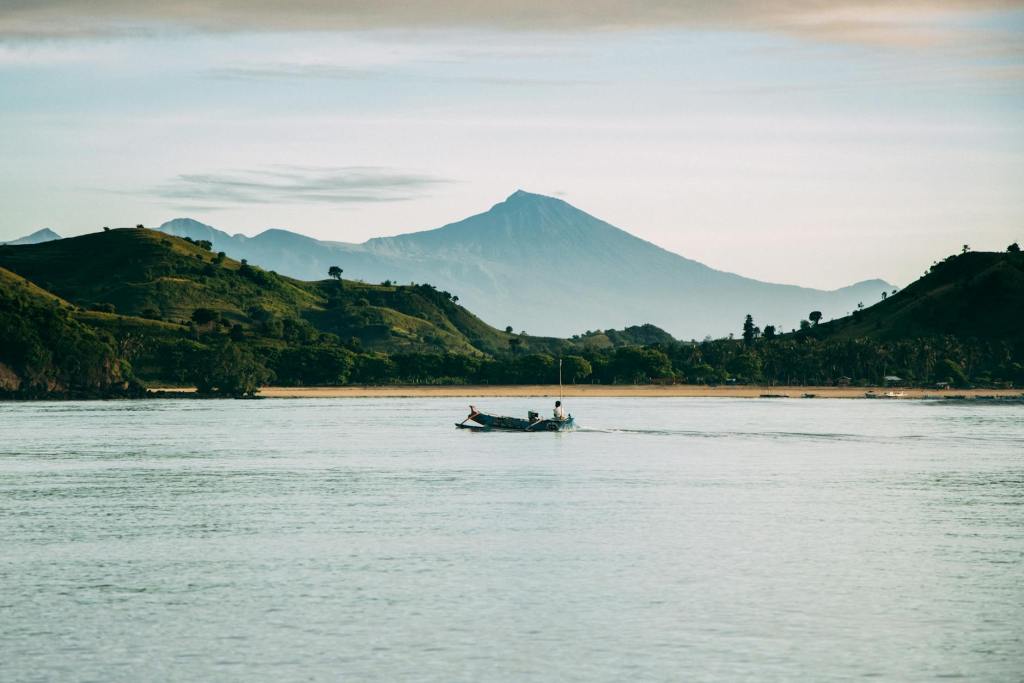
West Lombok is where Lombok first opens itself. It is the island’s most developed tourism region, yet it still manages to balance accessibility with a sense of ease. Palm-lined beaches stretch along the coast, resorts face calm waters, and sunsets arrive slowly, washing the horizon in soft gold and orange.
This part of Lombok is often chosen as a base, not only for its comfort and facilities, but for its strategic position. From West Lombok, travelers can look west across the Lombok Strait toward Bali, or south toward quieter shores and small islands that feel far removed from busy resort life.
A Coast Built for Slow Days

White sand beaches and clear turquoise water define much of West Lombok’s coastline. The sea here is generally calm, especially compared to the surf-heavy southern coast, making it suitable for swimming, snorkeling, and relaxed boat trips.
Unlike more remote parts of Lombok, West Lombok is well connected. Roads are smoother, services are easier to find, and accommodation ranges from simple guesthouses to long-established beachfront resorts. This accessibility has made the region a popular first stop for travelers arriving by ferry or fast boat from Bali.
Although Mataram, the capital city of West Nusa Tenggara is geographically surrounded by West Lombok Regency, it stands administratively on its own. Still, its presence shapes the area, adding an urban edge just beyond the beaches.
Senggigi: The Resort Heart of West Lombok
Senggigi remains West Lombok’s main tourism hub. Once the center of Lombok’s early tourism boom, the town has matured into a relaxed resort strip that feels less crowded than it once did, yet still lively enough to offer variety.
Hotels and resorts line the coast, many facing directly west—perfect for sunset views. Beachside restaurants and cafés serve everything from fresh seafood to international comfort food, while spas and wellness centers offer an easy way to slow down after days in the sun.
Senggigi’s nightlife is modest but present. Bars tend to be laid-back rather than loud, with live music, ocean breezes, and conversations that stretch late into the evening. It’s a place designed more for unwinding than for excess.
Senggigi Beach: Everyday Island Life
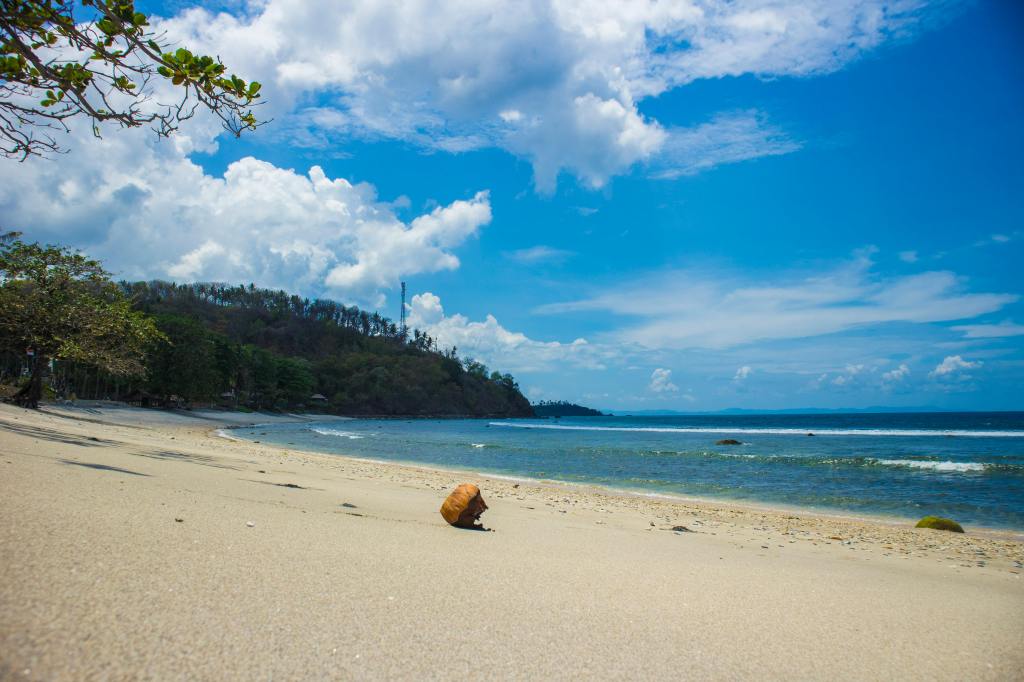
Senggigi Beach is the town’s central stretch of sand and remains one of the most accessible beaches on the island. The shoreline curves gently, framed by coconut palms and low hills, with Mount Agung in Bali sometimes visible across the water on clear days.
Here, days are simple. Mornings are quiet, with fishermen returning to shore and walkers enjoying the cooler air. By midday, the beach fills with swimmers, snorkelers, and travelers resting under umbrellas. The water is clear enough for casual snorkeling close to shore, especially during calm conditions.
As evening arrives, Senggigi Beach becomes a front-row seat to some of Lombok’s best sunsets—unrushed, expansive, and quietly impressive.
Sekotong Peninsula and the ‘Secret Gilis’
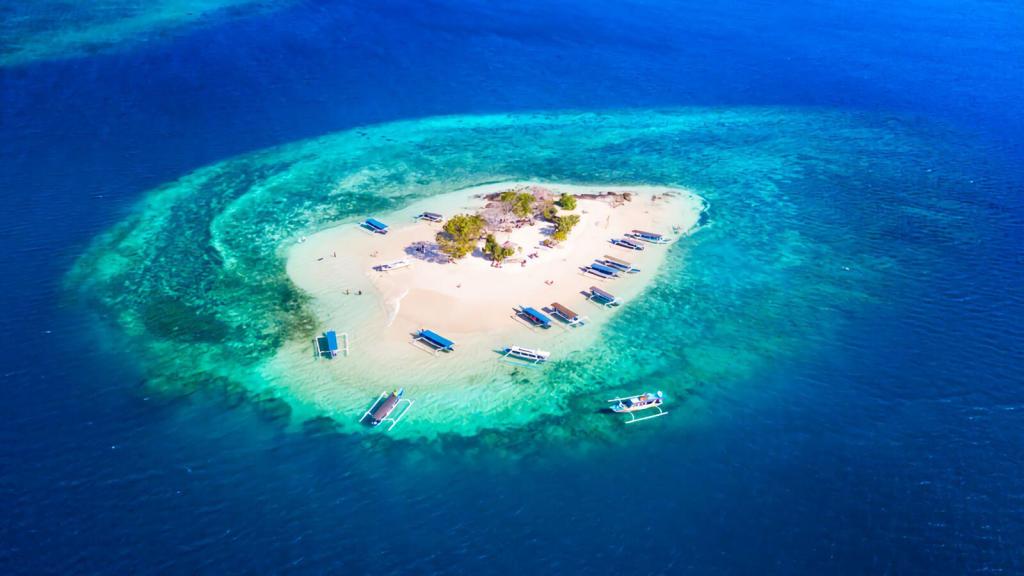
South of Senggigi, the coastline changes character. The Sekotong Peninsula is less developed, greener, and far quieter. Roads narrow, villages become more spaced out, and beaches appear almost unexpectedly around bends in the landscape.
Sekotong is best known as the gateway to the so-called ‘Secret Gilis’—Gili Kedis, Gili Nanggu, and Gili Sudak. These small islands sit just offshore, surrounded by shallow reefs and calm waters ideal for snorkeling and swimming.
Boat trips from Sekotong are short and easy, often taking visitors to multiple islands in a single day. Compared to the more famous Gili Islands in the north, these islands feel intimate and understated. There are few structures, minimal crowds, and a strong sense of escape.
Mataram and Ampenan: Urban History by the Sea
While not officially part of West Lombok Regency, Mataram plays an important role in the region’s rhythm. As the provincial capital, it offers a glimpse into everyday Lombok life beyond tourism.
One of its most atmospheric areas is Ampenan Old Town. Once a busy port during the Dutch colonial period, Ampenan retains faded colonial buildings, narrow streets, and a growing waterfront promenade. In the late afternoon, locals gather along the shore, street food stalls open, and the sea breeze carries the scent of grilled snacks and coffee.
Ampenan provides contrast—urban, lived-in, and authentic—adding depth to a stay in West Lombok.
A Comfortable Starting Point
West Lombok may be the island’s most developed region, but it is far from generic. It offers comfort without losing its coastal charm, and convenience without overwhelming the landscape.
For travelers looking to ease into Lombok—combining beach days, island hopping, and cultural encounters—West Lombok serves as a natural starting point. From here, the rest of the island waits quietly, ready to unfold.
 lombokdispatch.id