

North Lombok moves at a different rhythm. The roads are quieter, the air cooler, and the landscapes feel less arranged for visitors. This is the part of Lombok where the island shows its raw shape, dense forests spilling down mountain slopes, black-sand beaches meeting rough seas, and Mount Rinjani rising with quiet authority in the background.
If your prefer nature over nightlife, and trails over traffic, North Lombok offers an experience that feels grounded and unhurried. It is not a place you rush through. It is a place you walk, listen, and stay awhile.
A Landscape Shaped by Rinjani
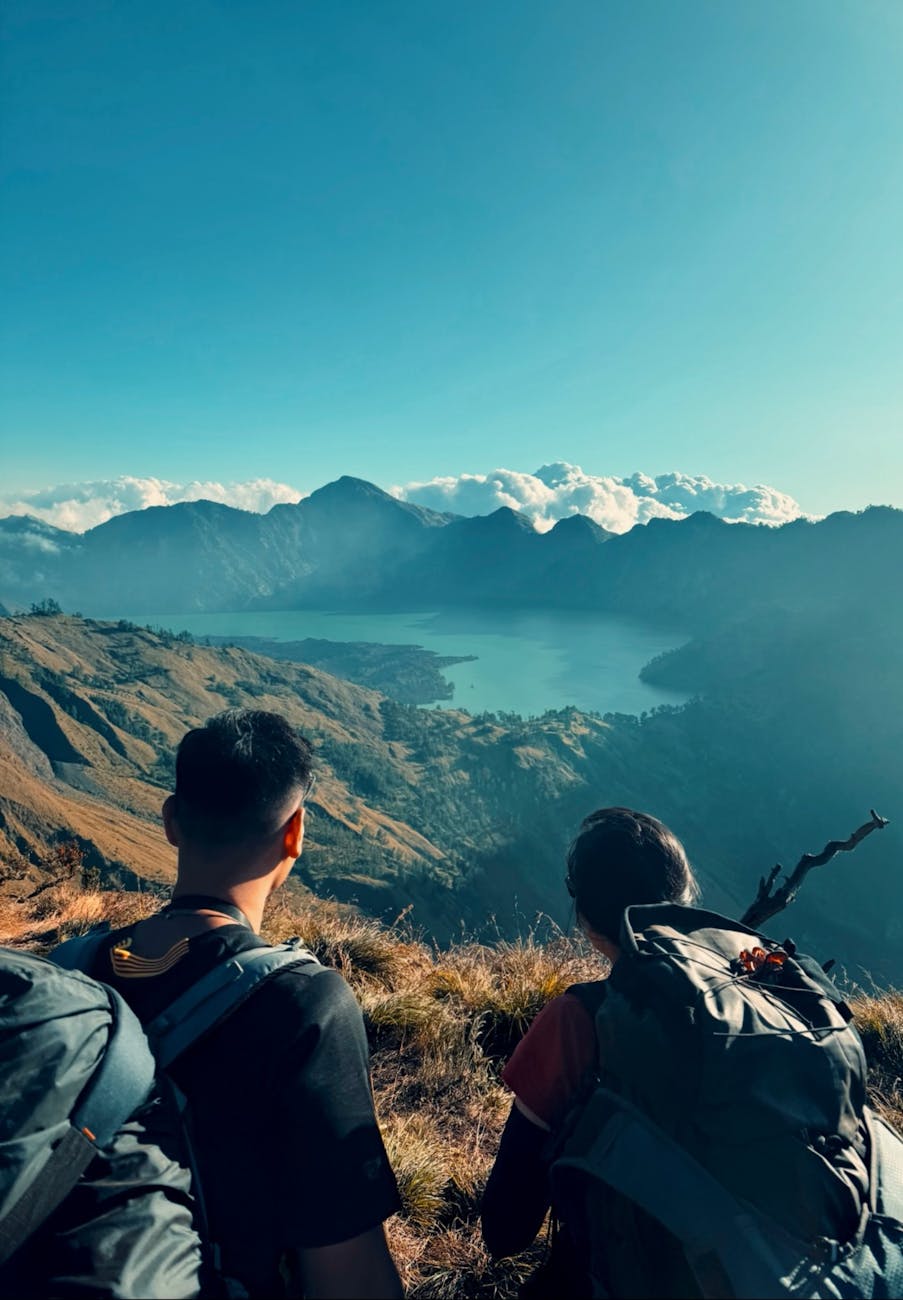
Much of North Lombok is defined by Mount Rinjani, Indonesia’s second-highest volcano. From almost anywhere in the region, the mountain is visible—sometimes clear and sharp against the sky, sometimes hidden behind clouds and mist. Its presence shapes the land, the climate, and the daily life of the villages that sit along its slopes.
Rainforests thrive here, fed by volcanic soil and frequent rainfall. Rivers cut through valleys, forming waterfalls that tumble down mossy cliffs. Compared to the south of Lombok, the air is noticeably cooler, especially in the mornings and evenings, making it ideal for hiking and outdoor exploration.
Senaru: The Gateway Village
The small village of Senaru is the natural starting point for most journeys into North Lombok’s interior. Sitting on the northern foothills of Mount Rinjani, Senaru feels both remote and welcoming. Rice fields stretch toward forest edges, while narrow paths lead into dense jungle and up toward the mountain.
Senaru is best known as one of the main gateways for trekking Mount Rinjani, including routes to the Senaru Crater Rim and the summit. But even for those who don’t plan to climb, the village itself is worth staying in. Traditional homestays, wooden houses, and mountain views create an atmosphere that is calm and grounded.
Cultural life remains strong here. Senaru is part of the Sasak heartland, and visitors will notice daily rituals, local architecture, and a slower pace that reflects long-held traditions. Mornings often begin with mist drifting through the trees and the distant sound of water flowing downhill.
Waterfalls Hidden in the Forest
Just outside Senaru lie two of Lombok’s most famous waterfalls: Sendang Gile and Tiu Kelep. Reached by a short walk through tropical forest, these waterfalls are powerful, loud, and unmistakably alive.
Sendang Gile is the first stop, where water crashes down a steep rock face into a pool below. From there, a longer jungle path leads to Tiu Kelep, where the waterfall spreads wide and the mist fills the air. The path itself—crossing streams and shaded by tall trees—is part of the experience.
While these waterfalls are popular, especially in peak season, they still retain a sense of wildness. Early mornings or weekdays offer the best chance to experience them in relative quiet.
Hiking the Senaru Crater Rim
For those seeking a more demanding adventure, the trek to the Senaru Crater Rim is one of North Lombok’s highlights. The trail climbs steadily through forest and open grassland, offering changing perspectives of the island below.
At the crater rim, the view opens dramatically. The crater lake, Segara Anak, sits far below, often reflecting the sky in deep shades of blue. On clear days, the summit of Rinjani feels close enough to touch, while the coastline stretches out in the distance.
Even without summiting the volcano, reaching the crater rim offers a sense of scale and solitude that defines trekking in North Lombok.
Bayan and Lombok’s Cultural Roots
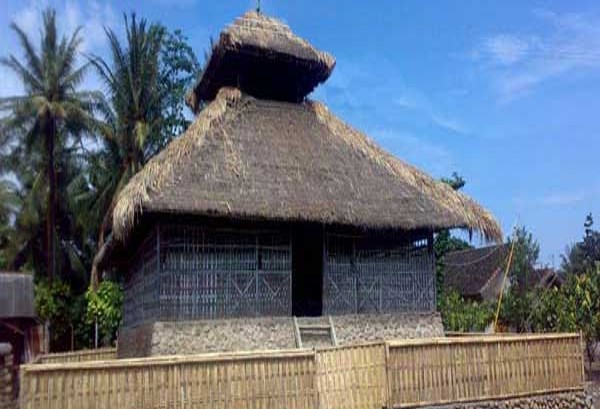
Not far from Senaru lies Bayan, one of the oldest and most culturally significant villages in Lombok. It is home to the Bayan Beleq Mosque, a thatched-roof structure considered sacred and deeply important to the Sasak people.
Bayan offers insight into Lombok’s spiritual and historical foundations. Customs here are still closely observed, and visitors are encouraged to approach with respect and curiosity. A visit to Bayan is not about sightseeing in the usual sense, but about understanding how culture and landscape remain closely connected.
A Different Side of Lombok
North Lombok is not built for speed or spectacle. Its appeal lies in quiet mornings, forest paths, flowing water, and villages that have changed slowly over time. For travelers willing to trade convenience for connection, this region offers a deeper, more grounded experience of the island.
In North Lombok, nature leads—and everything else follows.
 lombokdispatch.id