
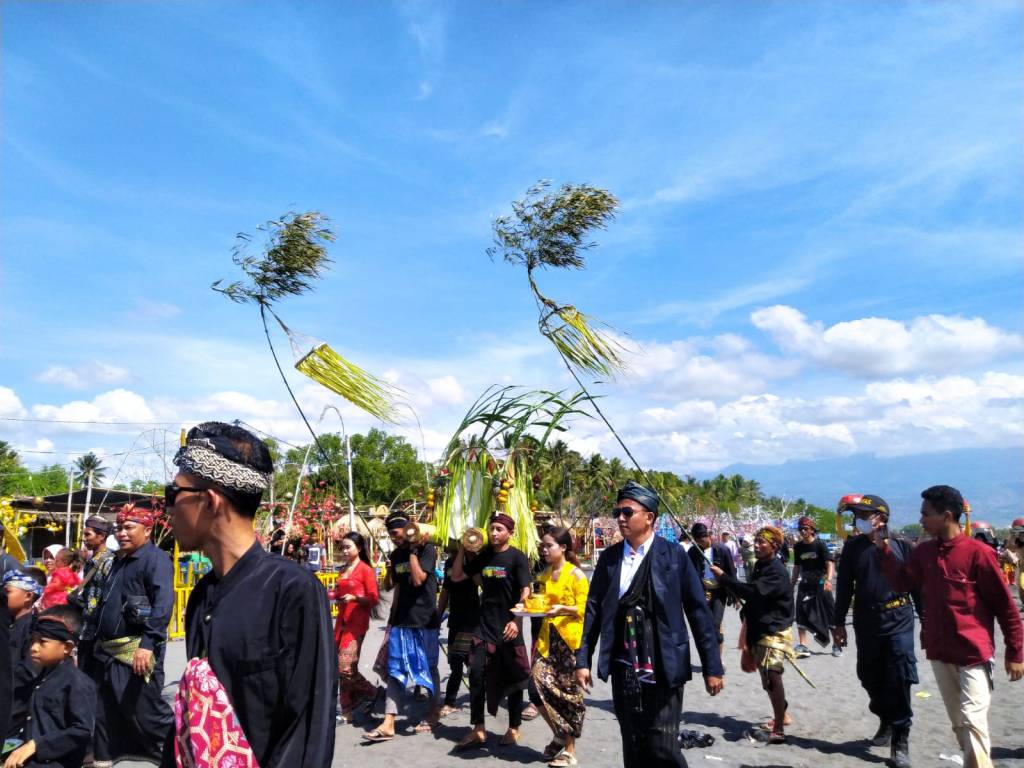
The Rebo Bontong tradition in Lombok is a unique cultural and spiritual event celebrated by the Sasak people. It takes place every year on the last Wednesday (“Rebo”) of the Islamic month of Safar. The word “Bontong” means to cut off — symbolizing the wish to cut off misfortune and sickness that are believed to peak at this time.
This special day is observed just before Maulid Nabi Muhammad (the Prophet Muhammad’s birthday) and has been passed down for generations. Among many spiritual events in Lombok, Rebo Bontong stands out for its deep religious meaning and community participation.
What Happens on Rebo Bontong?
Early in the morning, people gather in mosques, by rivers, or in open spaces to recite Islamic prayers for health, protection, and peace. One of the most well-known parts of this event in Lombok is the mass bathing ritual. In places like Kali Jangkuk in Mataram, Pringgabaya in East Lombok, and Kuranji in West Lombok, locals bathe together in rivers or sacred wells. They believe the water, combined with prayer, washes away illness and bad luck for the coming year.
In Pringgabaya, the ceremony also includes local traditions called tetulak desa, tetulak gubuk, and tetulak otak reban. These are special prayers and meals shared to ask for safety. Villagers prepare offerings like rice, fruit, incense, and flowers. These are placed in handmade bamboo trays called ancak saji and carried in a group to the sea. Once there, they release the offerings, including sometimes a buffalo head wrapped in white cloth, into the water — a symbol of leaving behind bad energy.
Most people do not work on Rebo Bontong. It’s considered a sacred time to focus on prayer, community, and healing — a day that defines one of the most heartfelt events in Lombok’s cultural calendar.
The Meaning of Tetulak
One of the most important parts of Rebo Bontong is the tradition of Tetulak. Tetulak means “to return” — a symbolic act of returning oneself to the Creator, Allah. It’s a reminder for people to surrender their worries, illnesses, and hardships to God through prayer and ritual.
This spiritual act teaches that humans can only strive and pray, while the rest is in the hands of Allah. Tetulak reflects a deep sense of humility and faith, reminding the Sasak Muslim community of their place in the universe and their dependence on divine mercy. As part of Rebo Bontong, it strengthens the spiritual essence of religious events in Lombok.
Where You Can See It in Lombok
You can experience this meaningful tradition in several parts of the island:
- Pringgabaya, East Lombok
- Kuranji, West Lombok
- Kali Jangkuk, Mataram City
If you’re looking for events in Lombok that connect you with local traditions, this one offers a deeply personal and sacred experience. Check the Islamic calendar for the month of Safar, as the exact date changes every year.
Why It Matters to the People of Lombok
The Rebo Bontong tradition in Lombok is more than a ceremony — it’s a way for the Sasak people to stay connected to their roots. It combines faith, family, and tradition. It also brings communities together through shared meals, prayers, and rituals.
Unlike commercial or entertainment-focused events in Lombok, Rebo Bontong shows a quieter but spiritually powerful side of local life. It’s one of the most authentic religious events in Lombok that reflects both personal devotion and collective strength.
A Respectful Way to Experience Local Culture
If you’re visiting Lombok and want to see the island’s traditions up close, the Rebo Bontong ceremony is a great opportunity. Tourists are welcome to watch, and sometimes even join the bathing or enjoy local snacks being sold nearby. This sacred moment is among the most unique cultural events in Lombok.
But remember:
- Dress modestly
- Don’t disturb the rituals
- Always ask before taking photos
Respecting the local culture helps keep these sacred events in Lombok alive for future generations.
The Rebo Bontong tradition in Lombok is one of the island’s most heartfelt and meaningful spiritual gatherings. It combines prayer, nature, and community in a way that reflects the deep values of the Sasak people.
If you’re looking to discover authentic cultural events in Lombok, this tradition offers something truly special. It’s not just a ceremony — it’s a symbol of hope, healing, surrender, and togetherness that continues to shape the identity of Lombok’s people.
 lombokdispatch.id