
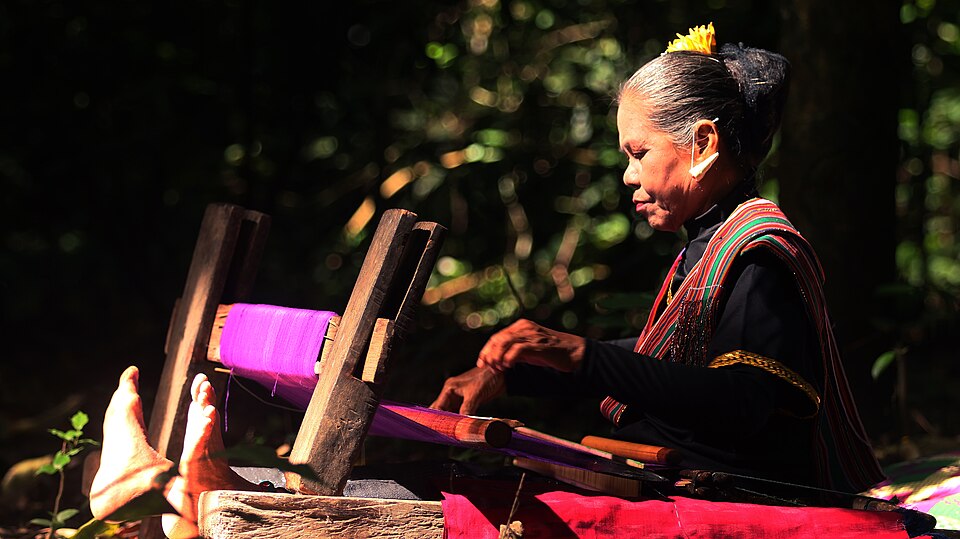
Here are the top cultural and historical attraction to visit in Lombok. Beyond its turquoise waters and lush hillsides, Lombok holds stories woven through centuries — in its temples, palaces, and everyday rituals.
From sacred sites perched on hillsides to age-old villages that still carry the rhythm of tradition, exploring the island’s cultural landmarks offers a deeper glimpse into what makes Lombok so special. Whether you’re drawn to architecture, spirituality, or simply the quiet power of heritage, these places offer more than just history — they offer connection.
Here’s our guide to some of the most meaningful cultural and historical sites to visit in Lombok — where the past still shapes the present.
List of Cultural and Historical Attractions in Lombok
1. Taman Narmada: A Sacred Water Garden

Taman Narmada is a beautiful water garden, built as a replica of Mount Rinjani and Segara Anak Lake.
It is one of the most sacred places in Lombok.
Built in 1727 by King Anak Agung Gde Ngurah Karang Asem, Taman Narmada allowed pilgrims to worship without climbing the challenging Mount Rinjani.
The garden is named after the Narmada River in India, and inside the park, there is a spring believed to be a source of rejuvenating water.
Locals believe that washing your face with this water, blessed by a priest, can make you youthful.
Taman Narmada is especially busy during November and December for the Pekelem ceremony, which celebrates Hari Pujawali, an important Hindu holiday.
It’s located just 12 km from Mataram and is a popular destination for both local and international visitors.
2. Lingsar: A Sacred Site for Sasak and Hindu Communities

Lingsar is a sacred site for both the Sasak people and Hindus in Lombok.
The area houses two important places of worship: Kemaliq, a holy site for the Sasak people, and Pura Lingsar, a Hindu temple used for religious ceremonies.
The Kemaliq and Pura Lingsar were built in 1759 and have been important pilgrimage sites for centuries.
Within the Kemaliq complex, you’ll find Kelebutan, a sacred place where a white eel is believed to reside.
It also believe that bathing or washing their face in the pesiraman, a sacred water source, can cure various ailments.
Lingsar is a unique place where religious and cultural traditions of both the Sasak and Hindu communities coexist harmoniously.
3. Masjid Kuno Bayan Beleq
Bayan Beleq Mosque is a historic mosque from the Wetu Telu tradition, located on Labuan Lombok Street in Bayan Village, North Lombok, West Nusa Tenggara.
It’s about 80 kilometers from Mataram, the capital city of the province. Though the mosque looks simple, it holds deep historical value—it was built in the 17th century, making it over 300 years old.
This mosque is believed to be the very first mosque ever built on the island of Lombok, and the Bayan area itself was one of the first places where Islam was introduced.
The mosque blends in with the surrounding houses, so it’s not easily noticeable from the road. It’s a small building, about 9 by 9 meters, with low bamboo walls and a roof made of layered bamboo strips shaped like a pyramid.
The floor is made of clay and covered with woven mats, while the foundation uses stones from a nearby river.
Inside, there are four wooden pillars made from jackfruit trees supporting the roof, and a large traditional drum called a bedug hanging in the center.
One of the unique features of the mosque is the presence of sacred graves.
Inside, there is the tomb of Gaus Abdul Rozak, one of the first people to spread Islam in the region. Behind and beside the mosque, there are also two small huts that hold the graves of other religious leaders who helped establish and care for the mosque in its early days.
4. Sade Village

Sade is a traditional village located in Rembitan, Pujut, Central Lombok.
It’s well-known for preserving the traditions of the Sasak tribe. Many tourists who visit Lombok come here to see the local culture.
You can tell how traditional it is just by looking at the houses.
The roofs are made of black palm fiber, the wooden frames are built with bamboo—without using any nails. The walls are made from woven bamboo, and the floors are just plain earth.
The Sasak people call these houses bale. There are eight types of bale, such as Bale Tani, Jajar Sekenam, Bonter, Beleq, Berugag, Tajuk, and Bencingah. Each one has its own purpose.
One unique tradition in Sade is how they clean the floors—with buffalo dung. Long ago, before cement was used, the Sasak people would spread buffalo dung on the dirt floor of their homes.
Even now, some families still use this method—first they lay down cement, then they apply the dung.
People believe this helps keep the house warmer and repels mosquitoes.
5.Tete Batu Village
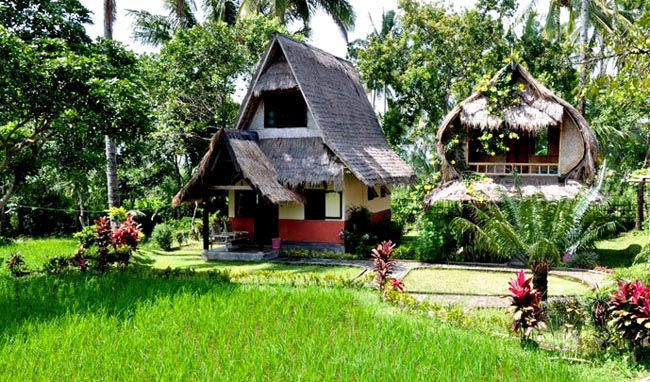
Tetebatu is a great place to enjoy the beautiful views at the southern foot of Mount Rinjani.
The area has amazing mountain scenery and green rice fields.
The land is shaped like steps, which creates beautiful terraced rice fields.
This village is also a favorite spot for photographers, especially those who want to capture the stunning sunrise.
In the evening, visitors often feel a peaceful and calm connection with nature.
The golden-red sky and the view of Mount Rinjani’s peak make the scene even more magical.
Tetebatu also has many facilities for tourists, such as homestays and local restaurants that are easy to find.
Besides the mountains and rice fields, Tetebatu Village is also home to several waterfalls, such as Ulem-ulem Waterfall, Burung Walet Waterfall, Kokok Duren Waterfall, Seme Deye Waterfall, and Jeruk Manis Waterfall.
To reach the waterfalls, you’ll need to walk for about 1.5 hours. Along the way, you’ll pass local houses and step-shaped rice fields.
These historical and cultural attraction in Lombok provide a deeper understanding of the island’s rich traditions, spiritual practices, and the harmonious coexistence of different communities. From sacred water gardens to ancient mosques and temples, Lombok offers unforgettable experiences for travelers seeking to explore its past.
Read also about Why You Should Visit Pink Beach Lombok
 lombokdispatch.id