
A deeper story that flows through Southern Lombok hills and valleys—one that lives on in the hearts and homes of the Sasak people, the island’s indigenous community. Tucked in the Pujut District of Central Lombok, just a short drive from the airport and major tourist areas, Sade Village offers your something extraordinary: a chance to step into a living, breathing cultural heritage.
A Traditional Village Rooted in Time

Sade Village isn’t a recreation or museum—it’s a fully inhabited village where traditions are still very much alive. With its roots stretching back hundreds of years, the village is home to the Sasak people, who have preserved their customs, architecture, and way of life with quiet pride and purpose.
As you walk through the village, you’ll notice right away that Sade feels different—not just visually, but energetically. Time seems to slow. The roads are unpaved, chickens and children move freely, and the villagers welcome visitors with warm, curious smiles. You are not just a tourist here; you’re a guest in someone’s home.
Architectural Uniqueness

One of the most striking features of Desa Sade is its traditional Sasak architecture. The houses, or bale, are built entirely from natural materials—bamboo, wood, and thatched alang-alang grass roofs. The curved rooftops and woven bamboo walls aren’t just beautiful—they’re practical, suited to the island’s climate and symbolic of the community’s philosophy of harmony with nature.
Each home is built with intention. There are structures for sleeping, for welcoming guests, for cooking, and even for sacred rituals. A particularly interesting detail? The floors are polished with a mixture of clay and cow dung, which not only keeps insects away but reflects an age-old belief in keeping the space grounded and humble.
A Culture That Lives and Breathes
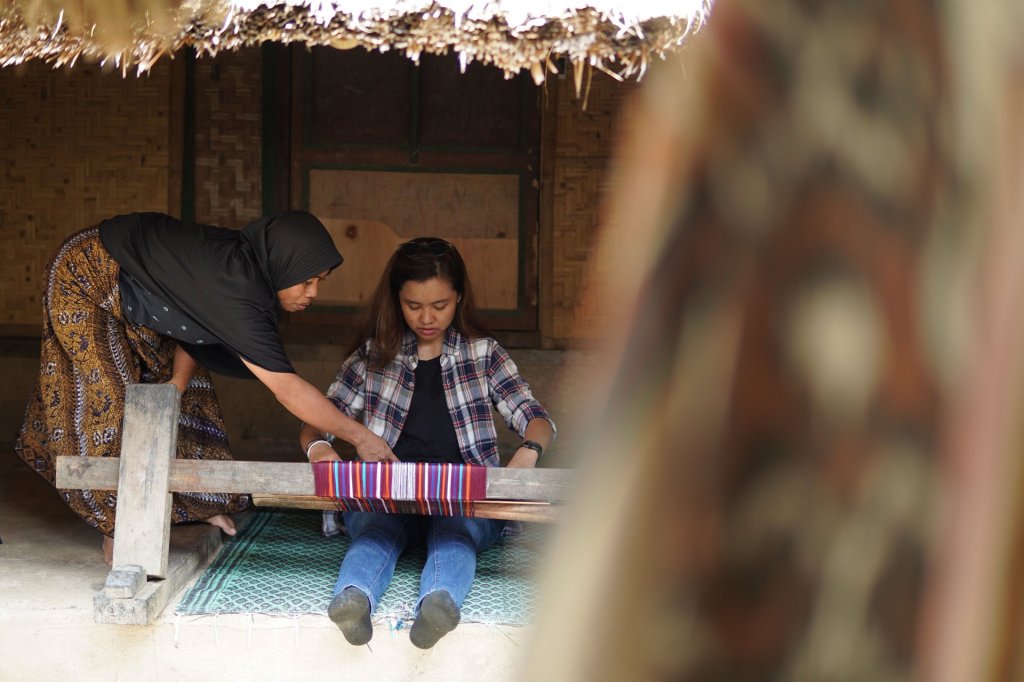
What makes Desa Sade more than just a photogenic village is its people. The Sasak community still lives traditionally—from the language they speak, to the clothes they wear, to the customs they practice. You’ll often see women dressed in handwoven songket—a traditional cloth made on backstrap looms—and men preparing for ceremonies or daily work in the fields.
Many villagers still engage in subsistence farming, traditional weaving, and craftsmanship, not for show, but as their way of life. Visiting here offers an authentic look into how culture and daily survival are intimately connected.
Things to Do in Desa Sade
Whether you’re a cultural enthusiast or a curious traveler, Sade offers a number of enriching experiences:
Explore the Traditional Homes
Guided tours are often led by local villagers who share stories about their homes, rituals, and family structures. It’s a rare opportunity to gain insight into a community that still honors its roots.
Shop for Handwoven Textiles and Crafts

Desa Sade is known for its intricately handwoven fabrics. Watching the local women work their looms is both mesmerizing and humbling. Many items, including scarves, sarongs, and bags, are available for purchase—and every piece tells a story.
Experience Cultural Performances
On certain days, visitors may witness traditional ceremonies, music, or dance. The Peresean—a ritualistic stick-fighting performance—and the rhythmic Gendang Beleq (giant drum ensemble) are both captivating and rich in meaning.
Learn the Sasak Philosophy of Life
This is perhaps the most meaningful takeaway from your visit. The Sasak people have a beautiful way of living—rooted in hospitality, simplicity, and balance with nature. Conversations with elders or village guides can offer deep insight into their philosophy of respect, community, and spirituality.
Respect the Culture: A Few Tips
Desa Sade is not a tourist attraction—it’s a real community. So, when visiting:
- Dress modestly and speak politely.
- Use your right hand when giving or receiving something—it’s considered respectful.
- Always ask for permission before taking photographs, especially of people.
- Follow your guide’s lead and avoid entering homes uninvited.
Final Takes
Sade Village isn’t just a place—it’s a cultural heartbeat that continues to echo through time. If you’re visiting Lombok and want an experience that goes deeper than the beaches and resorts, a few hours in this village will leave a lasting impression.
In a world that’s constantly moving forward, Sade Village invites you to look back—to listen, to learn, and to appreciate the beauty of a life rooted in tradition.



 lombokdispatch.id
2 responses to “Traditional Life in Sade Village Lombok”
[…] authentic Sasak village with traditional homes and a deep-rooted culture. But also, Sade village is known for its intricately handwoven fabrics. Watching the local women work their looms is both […]
LikeLike
[…] Read Also: Traditional Life in Sade Village Lombok […]
LikeLike